Sedan, Crossover or SUV: Which Suits Dubai Roads?
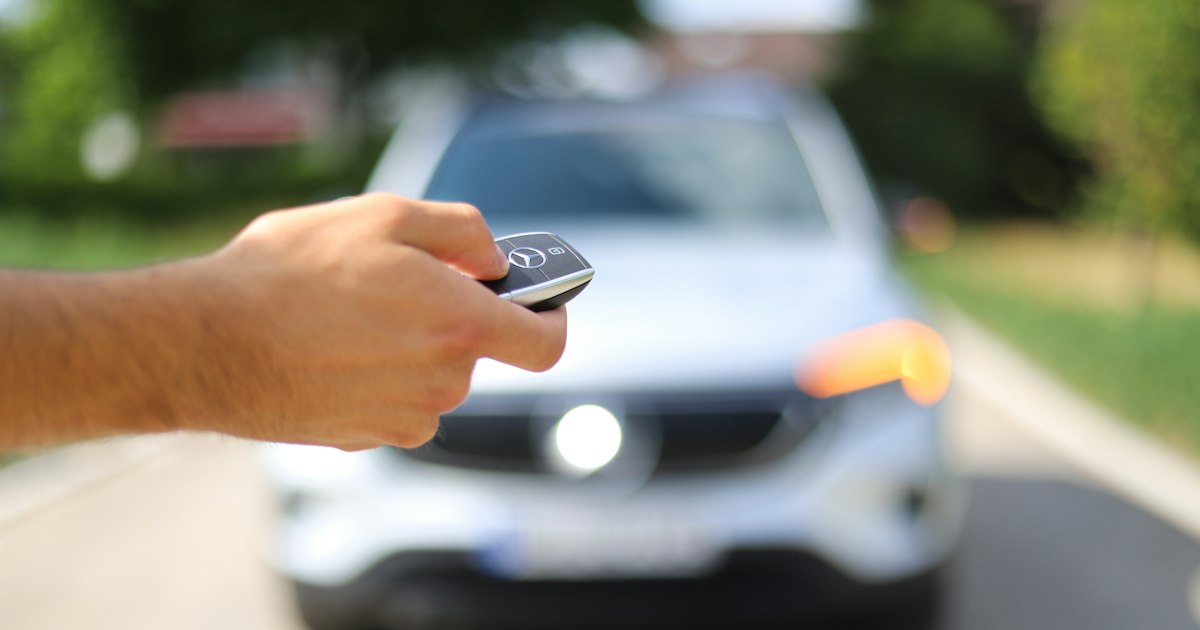
Most people in Dubai pick a body type by habit or by what friends drive. It is better to start from your week: where you drive, who rides with you and how often you leave the city.
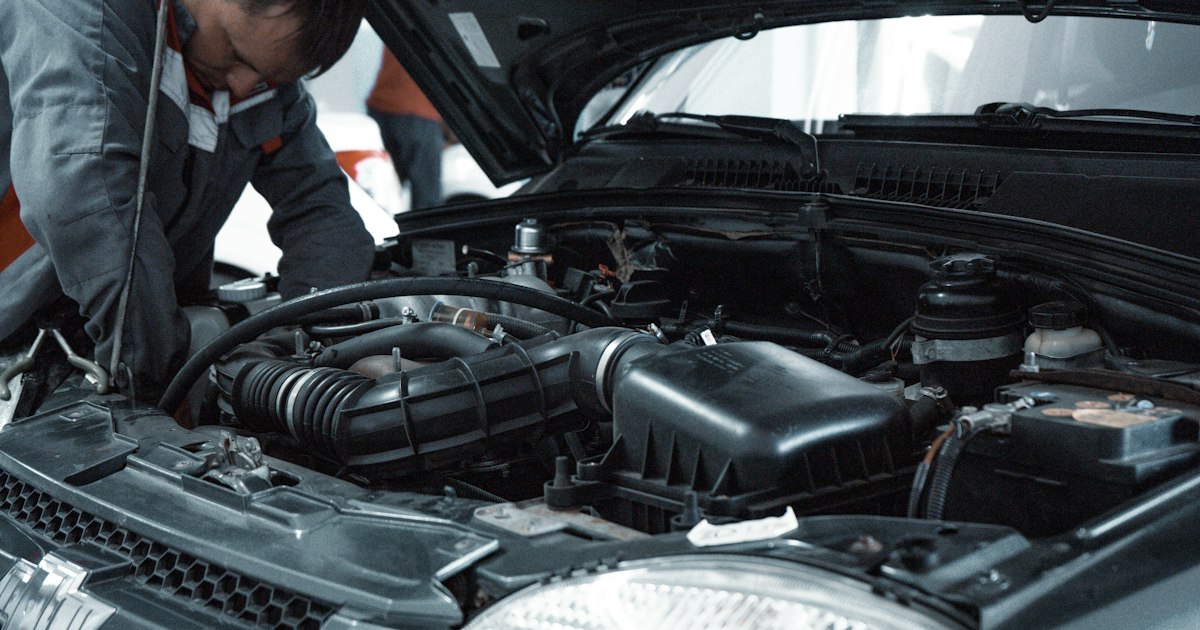
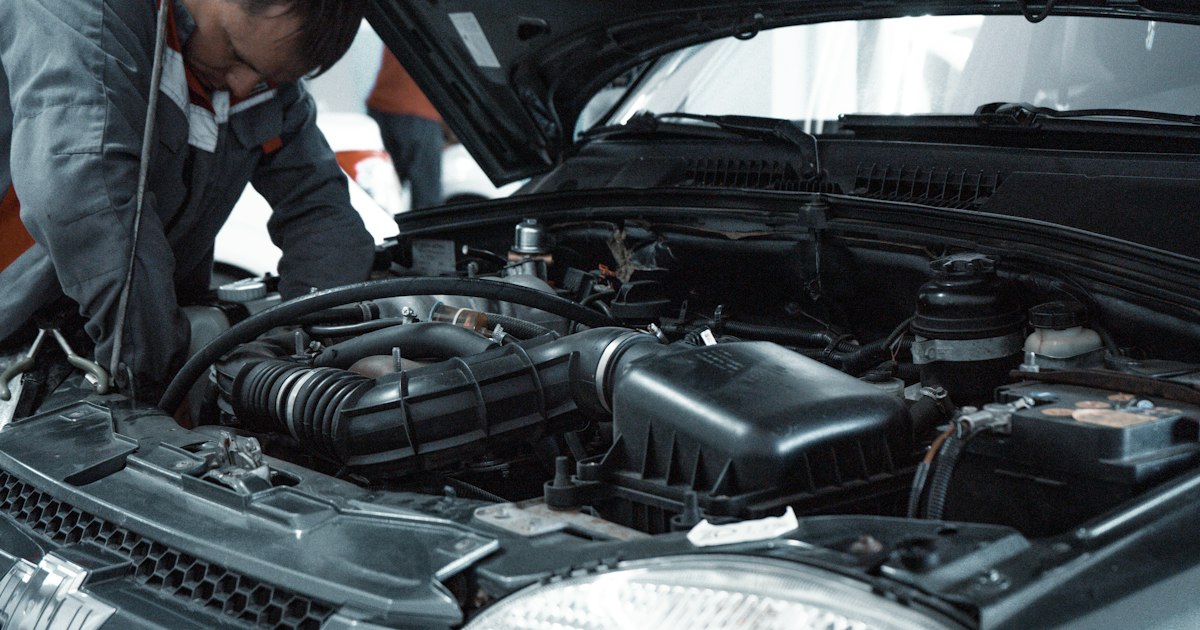
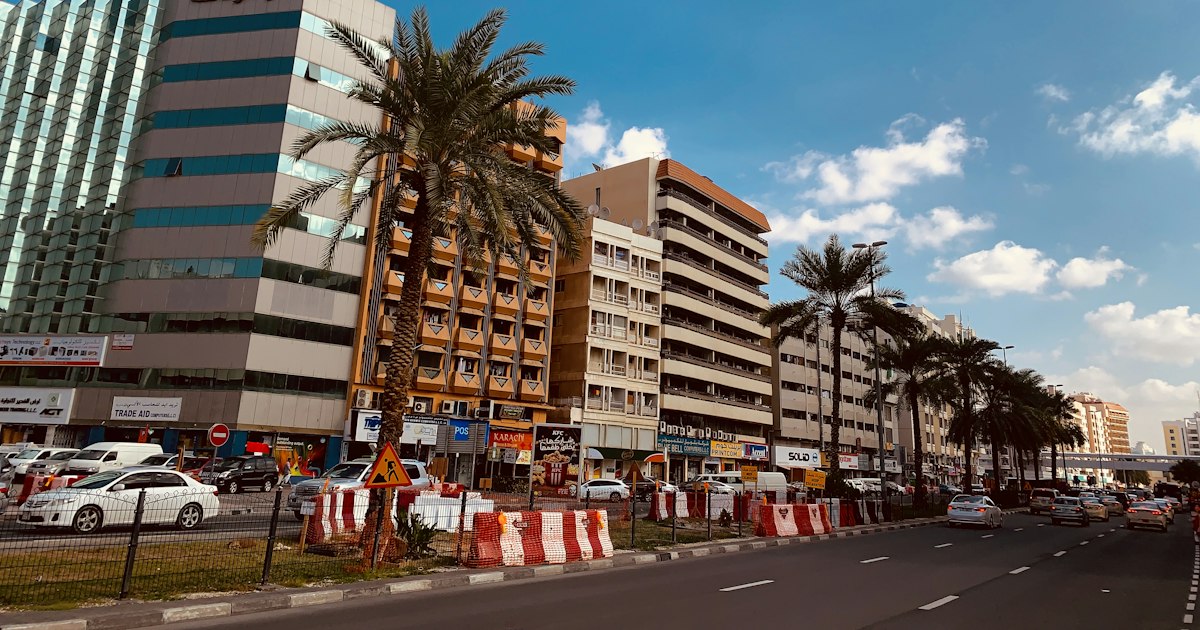
Dubai is easier on cars than many places. The roads are wide and well kept, and there is no snow. But the heat, the traffic, the parking and the weekend desert trips all affect which body type fits you.
What Dubai roads ask of a car
A few local conditions matter more than the badge on the bonnet:
- Long highway stretches. Sheikh Zayed Road, Emirates Road and the links to Abu Dhabi and Sharjah reward a stable, comfortable car.
- Stop-and-go traffic. Rush hours are slow. Comfort, a strong air conditioner and a smooth gearbox matter more than top speed.
- Tight parking. Older districts, busy malls and some residential blocks have narrow bays. A big vehicle can be tiring to park every day.
- Heat. From June to September, a cabin can become very hot. Good air conditioning and tinted glass are not luxuries.
- Speed bumps and kerbs. Compounds, car parks and service roads have plenty. Ground clearance helps here.
- Weekends outside the city. Some drivers go to the dunes, mountains in Hatta or the east coast. Others never leave the tarmac.
Think about how many of these describe your normal week. That is the starting point.
Sedan: simple, efficient, easy to live with
A sedan is a car with a separate boot. It sits low and is usually the lightest of the three.
Where it works well - Daily commuting and highway driving. - Narrow parking and tight turns. - Lower fuel use, in most cases, than a similar-sized SUV. - Often a lower price for a car of similar age and equipment.
Where it is weaker - Low ground clearance on speed bumps and uneven ground. - Less comfortable for tall passengers in the back in smaller models. - Not meant for soft sand. - A boot that opens less widely than a hatch or tailgate, so bulky items are harder to load.
A sedan suits a single driver, a couple or a small family that stays mostly on paved roads. It is also a sensible first car in the UAE.
Crossover: the middle option
A crossover is built like a car but has a higher seat, a taller body and a bit more clearance. Many people see it as a compromise. In Dubai it is often the practical one.
Where it works well - City driving with an easier view of the road. - Parking that is usually still manageable. - Space for a child seat, shopping and a stroller. - Better clearance for bumps and kerbs.
Where it is weaker - Most crossovers are front-wheel drive. They look rugged, but they are not designed for dunes. - Fuel use is usually a little higher than a sedan's. - It can cost more than a sedan of the same age.
A crossover suits a family of three or four, or a driver who wants a higher seat without a large vehicle.
SUV: space and capability, with trade-offs
An SUV is larger, with more space and, in many cases, four-wheel drive and strong ground clearance.
Where it works well - Larger families or regular passengers. - Luggage, sports gear and long trips. - Off-road or desert driving, if the vehicle is designed for it. - A commanding driving position in heavy traffic.
Where it is weaker - Parking is harder in older streets and busy malls. - Fuel use, tyres and some servicing items generally cost more. - Insurance may be higher, depending on the model and the insurer. - Many SUVs are never used off-road, so you may pay for capability you do not need.
If you only go to the dunes once or twice a year, it may be cheaper to rent a suitable vehicle for those days than to choose a larger car for the whole term.
Quick comparison
The table is general. Individual models differ, so treat it as a guide for your own research.
| Sedan | Crossover | SUV | |
|---|---|---|---|
| City parking | Easiest | Usually manageable | Hardest |
| Fuel use | Usually lowest | Usually medium | Usually highest |
| Passenger and luggage space | Moderate | Good | Best |
| Ground clearance | Low | Medium | High |
| Desert driving | Not suited | Limited, depends on the model | Best, if four-wheel drive |
| Typical running costs | Usually lowest | Usually medium | Usually highest |
Questions to ask before you choose
- Who rides with you most days? Count regular passengers, not the occasional trip.
- Where do you park at home and at work? Check the bay size if you can.
- How far do you drive each week? Longer distances make fuel and comfort more important.
- Do you really leave the paved road? Be honest about how often.
- Do you need to load bulky items? A work or hobby need can settle the question.
If your answers point to different types, a crossover often sits in the middle. It is not always the best answer, though.
Test the choice against your budget
A bigger car costs more than the purchase price. Before you decide, add up the running costs that are paid by the driver:
- Insurance. Compare quotes for the specific model. They vary by car, driver and insurer.
- Salik. Dubai's electronic toll system. Each pass through a toll gate is charged, so a long daily commute adds up.
- RTA fines. The RTA is the Roads and Transport Authority. Fines for speeding or parking are the driver's responsibility.
- Annual registration. Cars are registered every year and carry a registration card called the Mulkiya. Check the current process with the RTA.
- Fuel, tyres and maintenance. These generally rise with size and engine.
With lease to own, you choose a car from any dealer in the UAE. The company buys it and leases it to you for a fixed monthly payment. At the end of the term you buy the car for AED 1,000. The conditions are:
- Car price from AED 75,000 to AED 3,000,000, up to 4 years old.
- Initial payment from 20 % of the car price. Without the seller's Tax Invoice, 5 % VAT is added to the price and the minimum initial payment is 25 %.
- Term of 12–48 months.
- Client aged 24+.
- Early buyout possible after 12 months.
- Insurance, Salik, traffic fines and maintenance are paid by you.
Here is an example of how the payment looks for one car.
Sample calculation, not an offer. The final terms depend on the car and the review of your application.
- Car price: AED 126,000
- Initial payment, 20 %: AED 25,200
- Term: 48 months
- Monthly lease payment: AED 2,688
- Purchase option at the end of the term: AED 1,000
Now add your own running costs on top. A car that looks affordable at AED 2,688 a month may feel different once insurance, Salik, fuel and servicing are added. A smaller or lighter car can leave more room in the budget. A larger one needs a bigger margin.
When something else may suit you better
Lease to own is not the right answer for everyone.
- If you have the cash and plan to keep the car for many years, buying for cash can be simpler.
- If you will be in the UAE for only a few months, a simple rental is usually more flexible.
- If you already have a good relationship with your bank and want to compare offers, a bank car loan may be worth checking. Read the full terms, including interest, before you decide.
Choose the option that fits your plans and your monthly budget, not just the one that gets you into a car fastest.
A simple way to decide
- Write down your weekly routes, passengers and parking.
- Pick the smallest body type that handles them comfortably.
- Shortlist two or three cars of up to 4 years old.
- Ask for insurance quotes on each.
- Add Salik, fuel and servicing to a realistic monthly total.
- Choose the car that leaves you a comfortable margin.
If you are ready to see what a monthly payment could look like for your shortlist, try the calculator. When you have chosen a car, you can apply online. The online decision takes about 1.5 minutes for cars up to AED 350,000. It is a decision, not an approval, and an application can be declined. For more guides, visit the blog.