How to Transfer Car Ownership in Dubai Step by Step
Buying a used car in Dubai is usually quick. The transfer of ownership is the step that makes the car legally yours, and it is where most delays and surprises happen. Unpaid fines, a bank lien, expired insurance or a missing document can stop the process on the day.
This guide explains the transfer in plain steps. It covers a private sale between two people, which is the most common case. Procedures, forms and fees are set by the RTA (Roads and Transport Authority) and can change, so check the RTA website or app before you go. This article is general information, not legal advice.
The transfer in short
- Agree the price and check the car.
- Check fines, any lien and the car's history.
- Arrange UAE insurance in the buyer's name.
- Complete the technical test if it is required.
- Sign the transfer and pay the fees.
- Receive the new Mulkiya (the vehicle registration card) and update Salik and other services.
Each step is explained below.
What you need before you start
Both sides should bring their documents, because the transfer is done in the names of the seller and the buyer.
The buyer usually needs:
- a valid Emirates ID (the national identity card issued to UAE residents) and residence visa;
- a valid UAE driving licence;
- a traffic file with the RTA (if you do not have one, it is normally opened as part of the process);
- valid UAE car insurance for the vehicle in the buyer's name;
- the agreed payment.
The seller usually needs:
- a valid Emirates ID, or the passport and documents of a company if the car is registered to a business;
- the current Mulkiya of the car;
- the number plates;
- proof that fines and any lien are cleared.
If one side cannot attend, a power of attorney can sometimes be used. The rules for this are specific, so ask the RTA or the centre handling the transfer what they accept. Do not assume a message or a photo of a document is enough.
Step 1: Agree the price and check the car
Before any paperwork, make sure the car is worth the price and is what the seller says it is.
- Look at the car in daylight. Check the body, the tyres, the interior and the air conditioning. In the UAE heat, the AC matters more than most buyers expect.
- Ask for the service history. Regular servicing is a good sign. Gaps are a reason to ask questions.
- Take a test drive. Listen for noises, check the steering and the brakes.
- Consider an independent inspection. A garage check costs a little, but it can save you from a large repair bill.
- Check the age. Some buyers and some lease or finance arrangements only accept cars up to a certain age. If you plan to arrange payment through someone else, find out their limits before you agree the price.
Agree the price in writing, even if only in a short sale agreement signed by both sides. Write down the car's make, model, year, chassis number and plate number, the price, the date and what is included.
Step 2: Check fines, liens and history
This is the step many buyers skip, and it is the one that causes the most problems.
Traffic fines
RTA fines are attached to the vehicle and the plate, not only to the driver. Before you pay for a car, ask the seller to show that there are no unpaid fines. You can also check the plate on the RTA website or app, or on the relevant police service if the car was registered in another emirate. If fines exist, agree in writing who pays them and when. The safest approach is that the seller clears them before the transfer.
Bank lien or mortgage
If the seller bought the car with a bank car loan, the bank may still hold a lien (a registered claim) on the car until the loan is fully repaid. The car cannot be transferred until the lien is released. Ask the seller for a clear statement that the car is free of any lien, and check this at the registration stage. If the seller still owes money, the lien must be settled first. Do not hand over the full payment until you know how it will be released.
Accident and mechanical history
Ask directly whether the car has been in an accident. A vehicle history report, where available, and a garage inspection help you check the answer. Remember that a car with accident repairs can still drive well, but it may be worth less.
Salik tolls
Salik is Dubai's electronic toll system. The Salik tag is attached to the car and linked to an account. Ask the seller whether the account has any unpaid balance, and agree what happens to the tag. You will need to make sure that the tag and account are updated in your name afterwards.
Step 3: Arrange insurance
A car in the UAE must be insured, and valid insurance is normally required when the car is registered in a new name. Insurance is arranged in the buyer's name, with the car's details.
- Compare quotes from a few insurers. Prices differ by the car, your age, your driving record and the type of cover.
- Ask what is covered: third-party liability only, or comprehensive cover for your own car too.
- Ask about any excess (the part of a claim you pay yourself).
- Keep the policy document, as you will need it at the transfer.
Insurance is an ongoing cost, so include it in your budget before you decide on the car. It is often one of the larger running costs in the first year.
Step 4: Technical test
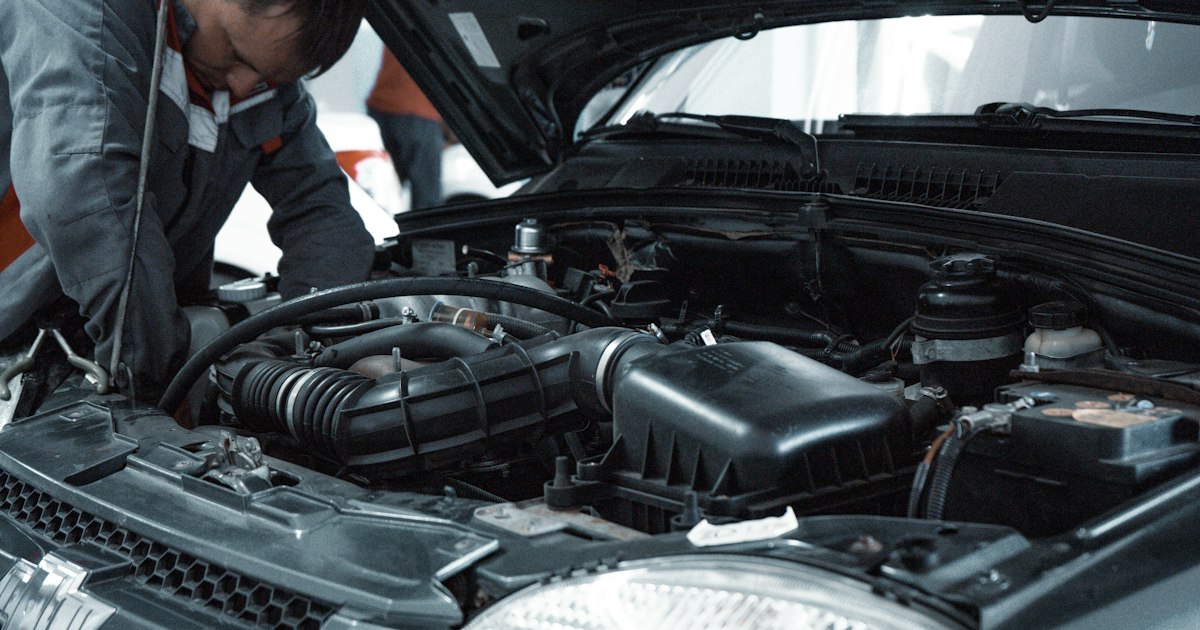
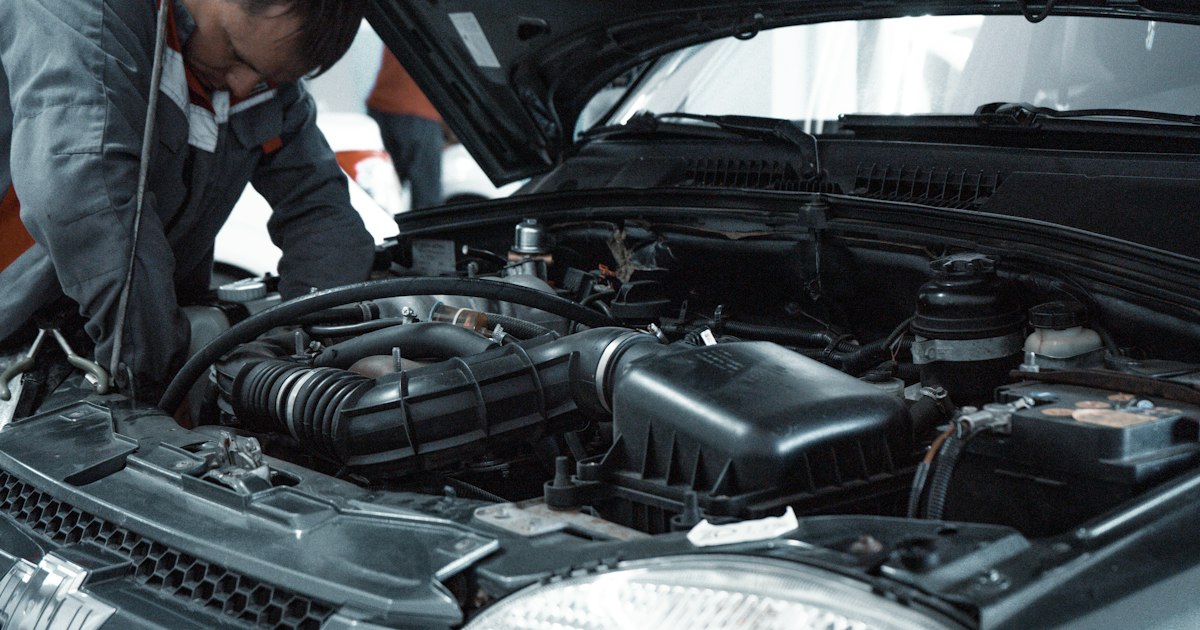
When a car changes hands, a technical test (an inspection of the car's roadworthiness) is usually required, especially if the registration has expired or is about to expire. It is carried out at an authorised vehicle testing and registration centre. The test checks things like brakes, lights, tyres, emissions and the general condition of the vehicle.
If the car fails, it needs to be repaired and tested again. This is another reason to inspect the car yourself before you agree the price. Ask the seller to tell you honestly about known issues.
Step 5: Complete the transfer and pay the fees
Once the car is free of fines and liens, insured, and has passed the test, you can finalise the transfer.
- Go to an authorised centre or use the RTA's service. Depending on the case, the transfer is done at an RTA-approved registration centre or through an RTA channel. Check which option applies to your situation.
- Submit the documents. Both seller and buyer, or their representatives, sign the transfer. The centre checks identities, the Mulkiya, the insurance and the test result.
- Pay the fees. The fees depend on the services and can change. Ask the centre for the exact amount before you start, rather than relying on a figure you read online.
- Pay the seller. Pay the agreed price in a traceable way, such as a bank transfer or a manager's cheque, and keep a receipt. Avoid paying the whole amount in cash without a signed document.
- Receive the new Mulkiya. After the transfer, the car is registered in the buyer's name, and you receive the new Mulkiya. Check that the details are correct: your name, the plate number and the chassis number.
Keep copies of the sale agreement, the transfer receipt, the new Mulkiya and the insurance policy. You will need them if you resell the car later.
Step 6: After the transfer
The paperwork does not end when you receive the Mulkiya. A few things are easy to forget.
- Salik: make sure the Salik tag and account are linked to you. If the seller keeps the old account, tolls may be charged to the wrong person.
- Number plates: the plates may need to be changed in some cases, for example if the car was registered in another emirate. Ask at the time of the transfer.
- Registration renewal: note the date when the registration expires. In the UAE the registration and insurance are renewed every year, and the car needs a valid test for renewal.
- Parking and other services: if you use paid parking subscriptions or other services linked to the plate, update them.
- Fines: from the transfer date, fines are your responsibility, so keep an eye on them through the RTA app.
Transferring a car from another emirate
If the car is registered in Abu Dhabi, Sharjah or another emirate and you live in Dubai, the process can have extra steps, such as a different test or new plates. The rules differ between emirates, and they change. Ask the RTA or the registration centre before you buy, so you know what to expect.
Common problems and how to avoid them
| Problem | How to avoid it |
|---|---|
| Unpaid fines found on the day | Check the plate in advance and agree in writing who pays |
| Bank lien not released | Ask for proof that the car is free of a lien before you pay |
| Car fails the technical test | Inspect the car first and agree what happens if repairs are needed |
| Insurance not ready | Arrange the policy before the transfer date |
| Documents expired | Check the validity of the Emirates ID, the licence and the Mulkiya in advance |
| Paying in cash without a record | Use a traceable payment and keep a signed receipt |
Private seller or dealer?
A dealer usually handles much of the paperwork, and the car often comes with a Tax Invoice (the official invoice showing the VAT charged on the sale). A private seller may not have one. You will rarely get a Tax Invoice from a private sale, which can matter for some purchase arrangements. For general questions about VAT and what applies to you, check with the Federal Tax Authority or a qualified adviser.
A private sale can be cheaper, but you do more of the checking yourself. A dealer sale is often smoother, but the price may be higher. Neither is better in every case.
Ownership when you use lease to own
Everything above describes buying a car in your own name. If you choose a lease to own arrangement, the logic is different. You choose a car from any dealer in the UAE, the company buys it and leases it to you for one fixed monthly lease payment. During the term, the car belongs to the company and you use it. At the end of the term, you buy the car for AED 1,000 (the purchase option), and the ownership is then transferred to you. Ask for the exact registration and transfer steps in your agreement before you sign.
The main conditions are:
- initial payment from 20 % of the car price (25 % without the seller's Tax Invoice, plus the 5 % VAT adjustment);
- term of 12–48 months;
- cars up to 4 years old;
- client aged 24+;
- early buyout possible after 12 months;
- insurance, Salik, traffic fines and maintenance paid by the client.
Here is an example of how it can look.
Sample calculation, not an offer. The final terms depend on the car and the review of your application.
- Car: Jetour T2, car price AED 126,000
- Initial payment: 20 % (AED 25,200)
- Term: 48 months
- Monthly lease payment: AED 2,688
- Purchase option at the end: AED 1,000
The online decision takes about 1.5 minutes for cars up to AED 350,000. It is a decision, not an approval, and an application can be declined. Cars from AED 350,000 to AED 3,000,000 get a personal review.
Remember that the monthly lease payment is only one part of the cost. Insurance, Salik, fines and maintenance are paid by you on top of it, so add them to your monthly budget before you decide.
Which route suits you?
- Paying cash may suit you if you have the savings and do not mind the money being tied up in a car. You own it from day one and the transfer is the only formality.
- A bank car loan may suit you if you want to own the car in your name from the start and your credit report and income meet the bank's requirements. Banks set their own rules and charge interest, so compare the total cost.
- A simple rental may suit you if you need a car for a few weeks or months and do not want to commit to a longer term.
- Lease to own may suit you if you want a fixed monthly payment, a car of your choice and a clear way to own it at the end of the term.
There is no single best option. The right choice depends on your savings, your income, how long you will stay in the UAE and how long you want to keep the car.
Final checklist
Before you transfer or buy a car, check that you can answer yes to each of these:
- Have I seen the car and, ideally, had it inspected?
- Are all fines paid and the car free of any lien?
- Is the insurance arranged in my name?
- Are my Emirates ID, residence visa and driving licence valid?
- Do I know the exact fees and where the transfer will take place?
- Have I put the sale terms in writing?
- Does the full monthly cost, including insurance, Salik, fines and maintenance, fit my budget?
Next step
If you are still deciding how to get your car, you can work out an example monthly payment in the calculator. If you already have a car in mind, you can apply online and see the decision. The decision is not an approval, and the final terms depend on the car and on the review of your application. Take your time and compare the options before you commit.