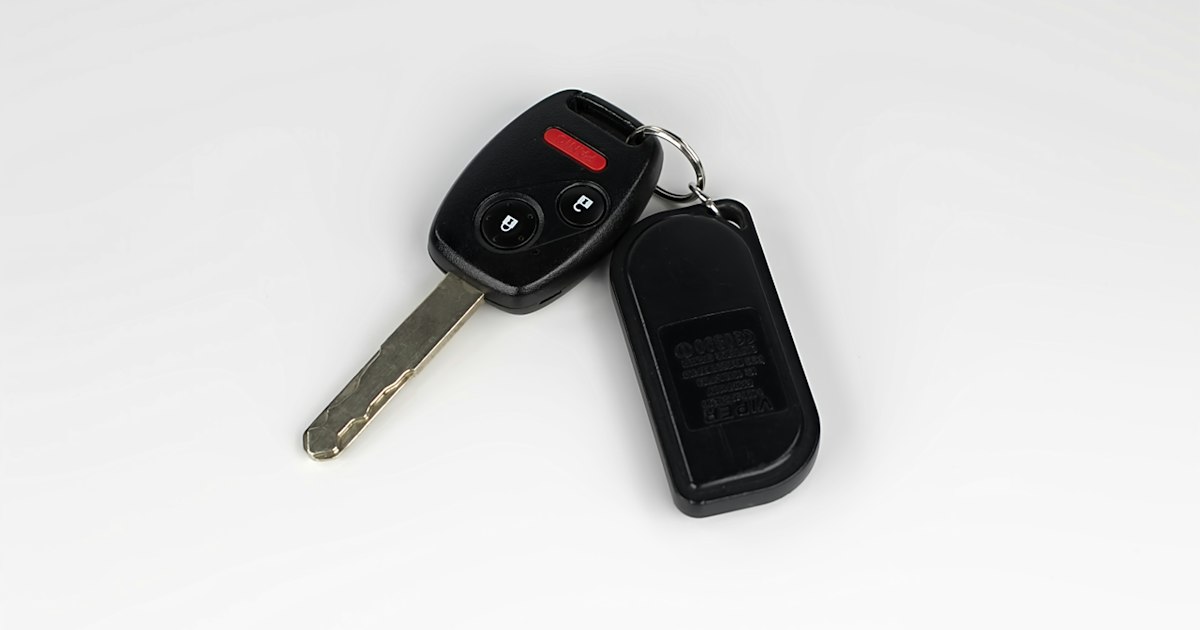
New to the UAE: How to Get Your Own Car in the First Months

Arriving in the UAE usually means a long list of tasks: housing, visa, Emirates ID, bank account, school, work. A car is often on that list too. Distances are long, summers are hot and public transport does not reach every area equally well.
The good news is that you do not have to solve the car question on day one. The better news is that a few early steps make it much easier later. This guide explains what to do in the first months, what to expect and which options exist.
Do you need a car right away?
Not always. Before you choose anything, think about how you will actually live.
- Where you live and work. Some districts are easy to manage with the metro, buses, taxis and ride-hailing apps. Others are not.
- Your daily route. A short, predictable commute is different from a job with site visits across several emirates.
- Your family. School runs and weekend plans usually push people towards a car sooner.
- Your timeline. Employment contracts, probation periods and housing moves can change in the first months.
Many newcomers use taxis or a short-term rental for the first weeks. This gives you time to learn the roads, the neighbourhoods and your real monthly spending before you commit to a car.
The first months: a simple order of steps
The exact order depends on your visa type and employer, but a typical path looks like this.
1. Residence visa and Emirates ID
Your residence visa and Emirates ID (the national identity card for residents) are the base of almost everything else. Banks, insurers, the RTA (Roads and Transport Authority) and companies that offer cars on a long-term basis all ask for them. Processing times vary, so follow the instructions from your employer, sponsor or the relevant authority (ICP or GDRFA, depending on the emirate) rather than relying on a fixed timeline.
2. UAE driving licence
To have your own car you need a valid driving licence. Whether you can use your home-country licence, exchange it or must take driving lessons and tests depends on your nationality and the licence you hold. The RTA and the licensing authority of your emirate publish the current rules. Check them early. If you need lessons and tests, this can be the longest step.
3. A place to live and a stable income record
A tenancy contract (Ejari in Dubai), salary payments to a UAE bank account and a few months of normal financial activity all help to show that you are settled. Nothing here is a guarantee of any decision, but a clear paper trail is useful whichever way you pay for a car.
4. Your AECB report
The AECB (Al Etihad Credit Bureau) is the federal credit bureau of the UAE. It collects information about how residents handle credit products such as cards, loans and some other payment commitments. Companies often look at it when they review an application.
If you are new, your AECB file may be empty or very short. That is normal. It does not mean something is wrong, but it also means there is little history to show. You can request your own report from the AECB and see what it contains. Using a UAE credit card carefully and paying on time builds a record over time. The AECB report matters in most reviews, and it is one of several things a company looks at.
Your options for getting a car
There is no single best route. Here is a plain comparison.
| Option | How it works | Good to know |
|---|---|---|
| Taxis, ride-hailing, public transport | You pay per trip | No commitment, but costs add up with daily use |
| Short-term rental | You rent a car by the day, week or month | Flexible, but you never own the car and long-term cost can be high |
| Buying for cash | You pay the full price and own the car at once | Simple and cheapest overall if you have the savings and do not need them elsewhere |
| Bank car loan | A bank lends you money to buy the car and you repay it with interest | Requirements differ from bank to bank and often include a track record in the UAE |
| Lease to own | A company buys the car you choose and leases it to you for a fixed monthly payment; you can buy it at the end | An operating lease with a purchase option, not a loan |
Each option suits a different situation. If you have enough savings and the car is a priority, paying cash may be the most economical choice. If you only need a car for a few months, a rental is probably better than any long-term commitment.
How lease to own works
lease to own is built for people who want their own car and prefer a fixed monthly payment to a large one-off payment. Here is how it works, step by step.
- You choose any car from any dealer in the UAE. The car can be up to 4 years old and the price from AED 75,000 to AED 3,000,000.
- The company buys the car and leases it to you.
- You pay a down payment of at least 20 % of the car price (up to 60 %), and then a fixed monthly payment for a term of 12 to 72 months.
- At the end of the term you buy the car for AED 1,000. This is the purchase option.
Some points to understand clearly:
- It is not a loan. The company is not a bank, does not lend money and does not charge interest.
- The monthly payment is fixed for the whole term.
- If the seller cannot provide a Tax Invoice (the document showing the sale and the VAT on it), 5 % VAT is added to the price and the minimum down payment is 25 %. Ask the seller about this before you decide on a car.
- Early buyout is possible after 12 months.
- The client must be aged 24 or older.
- Insurance, Salik, traffic fines and maintenance are paid by you.
Applications are reviewed. For cars up to AED 350,000 the online decision takes about 1.5 minutes. For cars from AED 350,000 to AED 3,000,000 there is a personal review. A decision is not an approval, and an application can be declined. That is true for any company that reviews applications, and it is better to know it in advance.
A sample calculation
Say you choose a car for AED 126,000 and the sample terms are:
- Car price: AED 126,000
- Down payment: 20 % (AED 25,200)
- Term: 48 months
- Monthly payment: AED 2,688
- Purchase option at the end: AED 1,000
Sample calculation, not an offer. The final terms depend on the car and the review of your application.
For comparison with other routes, add it up. Over 48 months the payments come to AED 129,024. With the down payment and the purchase option, the total over the full term is AED 155,224. This is the total you should compare with the cash price, other offers or a rental over the same period. Remember that insurance, Salik, fines and maintenance come on top.
You can try other prices, down payments and terms in the calculator.
Build a realistic budget
The monthly payment is only one line in a car budget. In your first months it is easy to forget the rest, so write them all down.
Costs you will have every month or year
- Insurance. Cars in the UAE must be insured. The cost depends on the car, your driving history and the type of cover. Ask for quotes before you choose the car, because two similar cars can have very different premiums.
- Registration. Cars are registered every year, and the registration card is called the Mulkiya. Registration usually requires valid insurance and, where applicable, a passed technical inspection. Check the current process with the RTA or your emirate's authority.
- Salik. This is Dubai's electronic toll system. You pay each time you pass through a toll gate, so the cost depends on your route.
- Parking. Paid parking is common in many areas. Check whether your building includes a space.
- Fuel. Fuel is priced in the UAE at levels that change monthly. Consider how far you drive each day.
- Maintenance and tyres. Heat is hard on batteries, tyres and air conditioning. Plan for regular service and the occasional repair.
- Traffic fines. Fines are issued by the RTA and other authorities. Speed limits and cameras are strictly enforced, and unpaid fines can cause problems with registration. Drive carefully and check your fines regularly.
A simple way to test your budget
Add up the monthly payment and an honest monthly estimate of all the other costs. Compare the total with your income after rent and other fixed bills. Many people prefer to keep the full car cost at a comfortable share of income, not at the limit. You may want to leave room for the unexpected, such as a repair or a change of job.
If the total feels tight, you have three levers: a cheaper car, a larger down payment or a longer term. A longer term lowers the monthly payment, but it also means you pay for more months. The calculator shows the effect of each change.
Choosing the car in your first year
When you are new, a few habits help you avoid expensive mistakes.
- Choose for your real life, not for the showroom. A compact car that is easy to park often serves a first-year resident better than a large one.
- Compare insurance quotes for two or three cars before you decide.
- Ask the dealer for a Tax Invoice. It affects the down payment, as explained above.
- Check the history. For a used car, ask for the service history and have it inspected independently if you can.
- Keep to the age limit. For a lease the car should be up to 4 years old.
- Do not stretch. A car you can afford comfortably is better than one you can only just afford.
When another option may suit you better
An honest guide should say this clearly.
- You have enough savings and will not need them soon. Buying for cash avoids monthly payments altogether.
- You will stay in the UAE only a short time. A rental, or a lease with a short term, may fit better than a longer commitment. Early buyout is possible after 12 months, but plan your term around how long you expect to be here.
- You have a stable UAE history and a bank offers terms you find clear and fair. A bank car loan can be a reasonable choice. Compare the total cost, not only the monthly payment.
- Your budget is tight even before the car. In that case wait, or choose a cheaper car. Adding a fixed payment to a stretched budget rarely ends well.
Lease to own may suit you if you want a car of your own from the early months in the UAE, prefer to keep some savings in hand and are comfortable with a fixed monthly payment and the running costs that you pay yourself.
A calm plan for your first months
- Get your visa and Emirates ID in order.
- Sort out your driving licence. Check the RTA rules for your situation.
- Settle in: housing, a UAE bank account and regular salary payments.
- Request your AECB report so that you know what a company will see.
- Decide your budget, including insurance, Salik, fines, maintenance and fuel.
- Compare your options honestly: cash, bank, rental or lease.
- Choose the car, ask for the Tax Invoice and get insurance quotes.
- Run the numbers and, if lease to own fits, submit an application.
You can read more practical guides in our blog.
Next step
If you want to see what a monthly payment could look like for the car you have in mind, try the calculator. Change the price, the down payment and the term, and compare the result with your budget. If it looks workable, you can apply online. The result is a decision on your application, not a promise, and you can take your time before you decide.