How to Check a Used Car's History and Accident Record in Dubai

A used car can look perfect and still hide a past you would not accept. In Dubai the market is large and varied. Cars come from dealers, private sellers and imports, and they have lived very different lives. A few hours of checking before you pay can save you months of repair bills and arguments.
This guide gives you a practical order of checks. None of them needs special knowledge, but together they give you a clear picture of the car.
Why the history of the car matters
Heat, dust, stop-and-go traffic and fast highways all wear a car in particular ways. Two cars of the same model and year can be in very different condition. The history tells you three things:
- Whether the car has been in a serious accident and how well it was repaired.
- Whether the seller really owns it and can legally sell it.
- Whether the car has been looked after, with regular servicing and an honest mileage.
If you pay for maintenance yourself, as most owners and lease clients do, the condition of the car directly affects your monthly budget.
Step 1: Start with the documents
Ask the seller to show you the following before you spend time on anything else.
- The Mulkiya. This is the UAE vehicle registration card. It shows the plate number, chassis number, model, colour, registration expiry and the owner's name.
- The seller's Emirates ID (the national ID card), which should match the owner on the Mulkiya. If it does not match, ask why. A dealer should be able to explain it clearly.
- The chassis number (VIN). Compare the number on the Mulkiya with the number on the car itself. It is usually visible at the base of the windscreen and on a plate inside the door frame. Any mismatch is a reason to stop.
- The Tax Invoice. This is the VAT invoice a registered seller issues for the sale. Dealers normally provide one. Ask early whether you will get it, because it also affects the terms if you plan to lease the car (more on this below).
Step 2: Get a vehicle history report
A vehicle history report is built from the chassis number. It can show earlier registrations, reported accidents, odometer readings in different countries, and whether the car was imported from abroad. Several independent services offer these reports for a fee. Coverage differs by service and by country, so treat a clean report as a good sign, not as proof.
Useful habits:
- Run the report yourself from the chassis number you read on the car, not one the seller gives you.
- Check the country of origin. A car described as locally sold may have come from elsewhere. Imported cars are not necessarily bad, but you should know what you are buying.
- Compare the mileage in the report with the odometer and the service book.
Step 3: Look for accident and repair signs
A report can miss repairs that were paid for privately, so look at the car too. Do it in daylight, on level ground, and take your time.
- Panel gaps. Uneven gaps between doors, bonnet and boot can mean a panel was replaced or the body was twisted.
- Paint. Look along the side of the car for patches that differ in shade or texture. Check door edges and rubber seals for paint overspray.
- Bolts and fittings. Scratched or repainted bolts on the wings and bonnet suggest panels were removed.
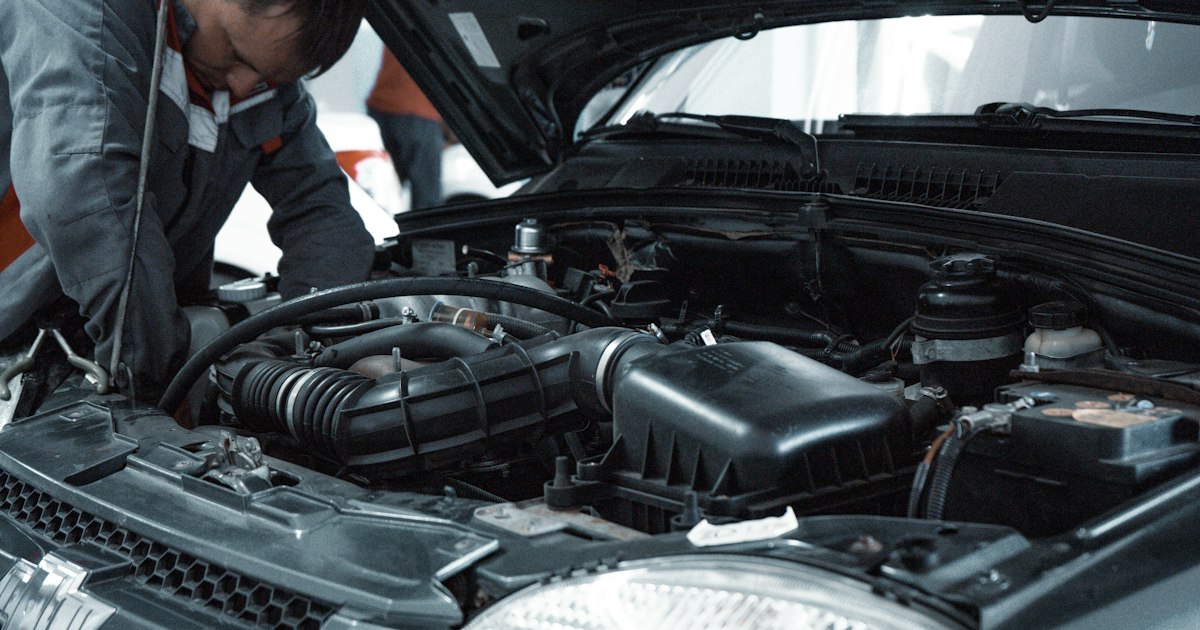
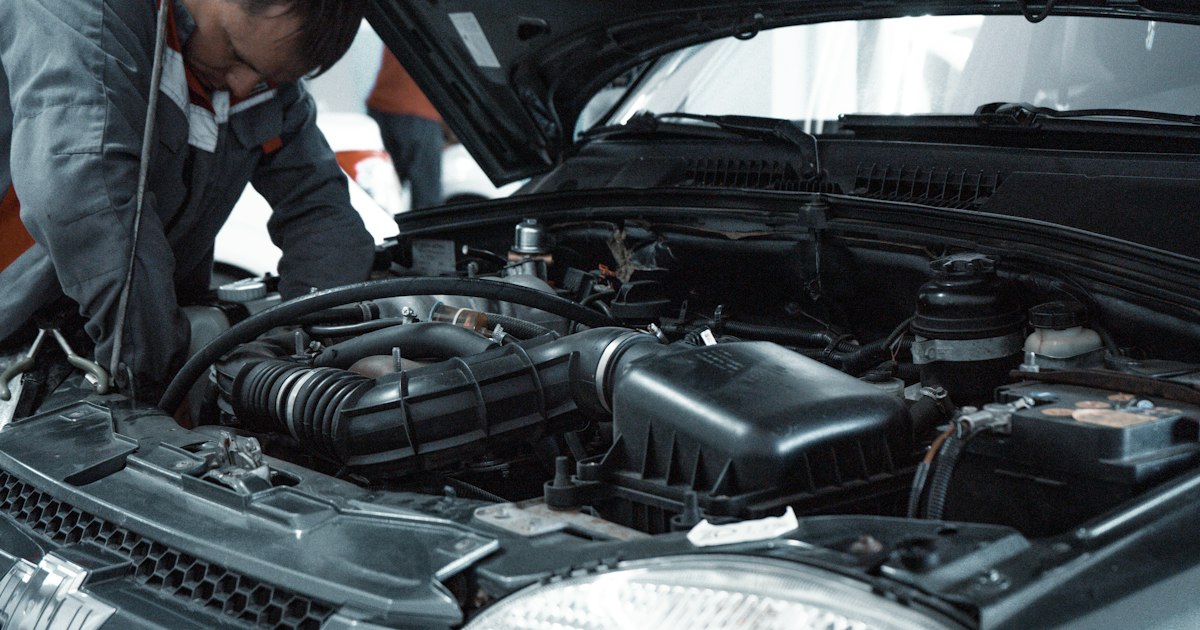
- Under the bonnet and in the boot. Look for folded metal, uneven welding or fresh sealant.
- Airbag warning light. If it does not light up at start-up, or stays on, ask why.
- Water damage. Check for damp or musty smell in the cabin, silt under the carpets and rust on seat rails.
You can also ask the seller directly whether the car has had an accident and whether there are repair invoices. Honest sellers usually answer plainly. If a seller avoids the question, take note.
Step 4: Check fines, Salik and liens
Some problems are attached to the car, not the person, so check them before you pay.
- Traffic fines. Unpaid RTA (Roads and Transport Authority) fines are linked to the vehicle. Ask the seller to show that fines are cleared, or check through the official RTA channels. If you are unsure how, ask the RTA.
- Salik. Salik is Dubai's electronic road toll. Ask whether the tag has an outstanding balance or unpaid toll violations.
- Liens. If the previous owner bought the car with a bank loan, the bank may still hold a claim on it until the loan is settled. The registration record should show this. A seller must be able to show that the car is free of any claim before the transfer. If a lien exists, it needs to be settled first, so ask the seller for written proof.
- Registration validity. Check the expiry date on the Mulkiya. Annual registration in Dubai normally requires a technical test and valid insurance, so a car that recently passed is a small positive sign.
For anything specific to your case, such as an unclear ownership record, ask the relevant authority or a qualified adviser.
Step 5: Service history and mileage
A car with a full service record is usually a safer buy than one with a low number on the dashboard and no paperwork.
- Ask for the service book and invoices from workshops or the dealer.
- Check that service intervals match the mileage. Large gaps are a warning.
- Make sure the mileage rises logically between records, the history report and the odometer.
- Ask when the tyres, battery and brakes were last changed. These are normal costs, but they affect your budget.
Step 6: Test drive and independent inspection
Even a clean report does not replace a physical inspection.
- Test drive on a mix of roads. Listen for knocking, vibration or pulling to one side. Check that the air conditioning cools quickly, because in Dubai this matters.
- Pre-purchase inspection. Many inspection centres in Dubai will check the body, engine, gearbox, suspension and electronics for a fee. Choose one that has no link to the seller.
- Ask for a written report and use it. If the inspection finds issues, you can ask for a repair, a lower price or you can walk away.
Warning signs at a glance
| What you notice | What it may mean | What to do |
|---|---|---|
| Chassis number does not match the Mulkiya | Documents or identity problem | Stop and do not pay |
| Owner name differs from the seller | Unclear ownership | Ask for proof of authority or walk away |
| Paint or panel differences | Previous repair | Ask for invoices and inspect |
| Mileage and service records do not fit | Possible odometer tampering | Check the history report |
| Unpaid fines or a bank claim | Costs or delays transferred to you | Settle before you buy |
| Seller rushes you | Pressure, possibly hiding something | Slow down |
Dealer or private seller
A dealer usually gives you a Tax Invoice, a more complete file and sometimes a limited warranty, though you should read what it covers. A private seller may offer a lower price, but you carry more of the checking yourself. Neither is always better. Choose the one that lets you verify the facts.
If you plan to get the car through lease to own
With lease to own, you choose a car from any dealer in the UAE, the company buys it and you lease it for a fixed monthly payment. At the end of the term you buy it for AED 1,000. The cars must be up to 4 years old.
Everything in this guide still applies. You pick the car, so the history and condition are your decision as well. Insurance, Salik, traffic fines and maintenance are paid by you, so a car with a hidden problem becomes your cost. The Tax Invoice also matters. With the seller's Tax Invoice, the initial payment starts from 20 % of the car price. Without it, 5 % VAT is added to the price and the minimum initial payment is 25 %. Ask the seller for the invoice before you agree on the car.
Remember too that an application is reviewed and can be declined. The online decision takes about 1.5 minutes for cars up to AED 350,000, but a decision is not an approval.
A short checklist before you pay
- Mulkiya and Emirates ID match the seller.
- Chassis number is the same on the car and on the documents.
- Vehicle history report is checked and mileage is consistent.
- No signs of poor accident repair or water damage.
- Fines, Salik and any bank claim are cleared.
- Service book and invoices are available.
- Independent inspection is done and the report is in writing.
- Tax Invoice is confirmed.
If cash or a bank loan fits your situation better, the same checks apply. The method of payment does not change the car you are buying.
Next step
Once you have found a car that passes these checks, work out what it would cost each month. Use the calculator to see a monthly lease payment for your price, initial payment and term, or apply online when you are ready. Keep your budget realistic, including insurance, Salik, fines and maintenance.