Best Hybrid and Electric Cars to Buy in Dubai: A Practical Guide
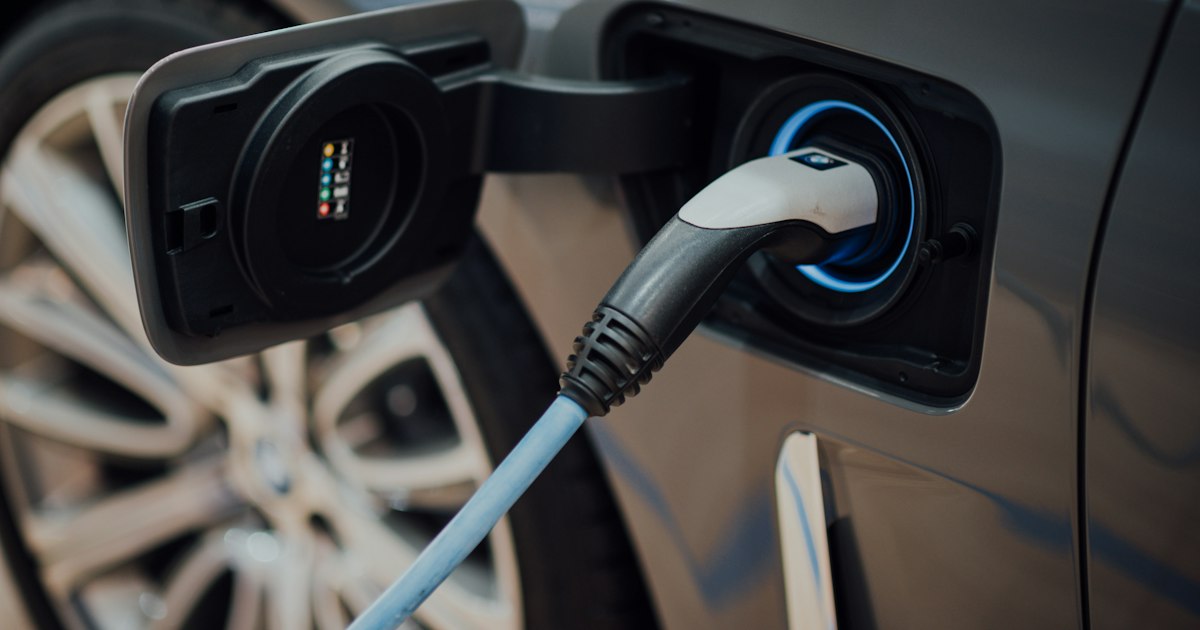
Hybrid and electric cars are a common sight in Dubai. Charging points are easy to find, the roads are smooth and many trips are short. Still, the best car for you is not the one with the most headlines. It is the one that fits how you live, where you park and what you can pay every month.
This guide does not rank models, because availability and prices change often and differ between dealers. Instead, it explains how to judge any hybrid or electric car and how to decide whether it suits you.
Three types of car, three different lives
Start by understanding what you are choosing between.
| Type | How it works | Often suits you if |
|---|---|---|
| Hybrid (HEV) | Petrol engine plus a small battery that charges itself. You never plug it in. | You want lower fuel use without changing habits. |
| Plug-in hybrid (PHEV) | Larger battery you can charge, plus a petrol engine as backup. | You have a reliable place to charge and also drive long distances. |
| Fully electric (EV) | Battery and electric motor only. No petrol. | You can charge easily at home or work and mostly drive in and around the city. |
A plain hybrid is the simplest. A fully electric car can be the cheapest to run, but only if charging is convenient for you.
What matters most in Dubai
Where you will charge
This is the first question to answer, before you look at any car.
- Villa with a parking space: home charging is usually simple. Ask a qualified electrician about installing a charger.
- Apartment: charging depends on the building. Ask the management whether charging is allowed and where. Do this before you commit to a car.
- Public charging: Dubai has a public charging network, including chargers run by the utility DEWA (Dubai Electricity and Water Authority). Public charging is useful, but it is slower and less predictable than a charger at home.
If you cannot charge where you park overnight, a hybrid or plug-in hybrid is often the more relaxed choice.
Heat and range
Summer heat and air conditioning use energy. The range printed in a brochure is a test figure. Real range in July, with the AC on full, is usually lower. Ask the dealer how the car behaves in Dubai summer conditions. Think about your longest regular trip, for example Dubai to Abu Dhabi and back, and leave a comfortable margin.
Your daily distance
Add up your normal week: commute, school run, weekend trips. If you drive short and predictable distances, an EV can be very convenient. If you often make long trips on short notice, a hybrid avoids range planning.
Official incentives
Dubai has offered benefits for electric and hybrid vehicles in the past, such as around parking or charging. These rules change. Check the current conditions with the RTA (Roads and Transport Authority) and DEWA instead of relying on an old article, including this one.
Buying used: check the battery
The lease to own conditions allow cars up to 4 years old. A nearly new hybrid or EV can be a sensible way to avoid the steepest early drop in value. If you choose a used one, check:
- Battery health. Ask the dealer for a battery condition report, and an independent inspection if possible.
- Warranty. Many makers give a separate, longer warranty for the battery. Ask what remains and whether it transfers to a new owner. Get this in writing.
- Service history. Look for regular servicing at an authorised workshop.
- Charging equipment. Check whether the cables and any home charger come with the car.
- GCC specification. Make sure the car was built or prepared for hot-climate use and local conditions.
Running costs: lower fuel, but not zero costs
A hybrid or EV can cost less to fuel or charge than a petrol car. That does not mean it is cheap to own. Plan for:
- Insurance. Premiums depend on the car's value and repair costs, which can be higher for some electric models. Get quotes before you decide.
- Registration. Annual vehicle registration (Mulkiya) with the RTA, plus the technical test.
- Salik and fines. Salik is Dubai's electronic toll system. Tolls, parking and traffic fines are the driver's responsibility. Check current Salik treatment for your car type with Salik or the RTA.
- Maintenance and tyres. Electric cars have fewer moving parts, but tyres can wear faster, and repairs on battery or electronic systems can be costly outside warranty.
- Charging. Home electricity and public charging prices differ. Check current tariffs.
When you set a budget, include all of these next to the monthly payment.
How lease to own works for a hybrid or EV
With lease to own, you choose a car from any dealer in the UAE. The company buys it and leases it to you for one fixed monthly lease payment. At the end of the term, you buy the car for AED 1,000 (the purchase option). This works for hybrid and electric cars as for any others, within these conditions:
- Car price from AED 75,000 to AED 3,000,000.
- Initial payment from 20 % of the car price. Without the seller's Tax Invoice, 5 % VAT is added to the price and the minimum initial payment is 25 %.
- Term of 12 to 60 months.
- Car up to 4 years old.
- Client aged 24 or over.
- Early buyout possible after 12 months.
- Insurance, Salik, traffic fines and maintenance are paid by you.
The online decision takes about 1.5 minutes for cars up to AED 350,000. Cars above that price get a personal review. A decision is not an approval, and an application can be declined. Many new electric cars cost more than AED 350,000, but a used or entry-level hybrid may fall below it.
A sample calculation
The website's own sample uses a Jetour T2, not a hybrid or electric car, but it shows how the numbers are built. Say you choose a car for AED 126,000:
- Initial payment 20 %: AED 25,200
- Term: 48 months
- Monthly lease payment: AED 2,688
- Purchase option at the end: AED 1,000
Sample calculation, not an offer. The final terms depend on the car and the review of your application.
A hybrid or EV will have its own price, so its payment will differ. Use the calculator with the real price of the car you are considering.
If you buy from a dealer, ask for a Tax Invoice. It is the seller's official invoice showing VAT. It affects the minimum initial payment, as explained above. For any question about VAT in your own situation, check with the Federal Tax Authority or a qualified adviser.
When another route may suit you better
Lease to own is not the right answer for everyone.
- Paying in cash can make sense if you have the savings and do not need them for other things. You own the car at once, with no monthly lease payment.
- A bank car loan may suit you if you prefer to own the car from the start and are comfortable with the interest the bank charges. Compare the total cost, not only the monthly figure.
- A short rental is a better test if you are not sure about electric driving. Rent one for a week or two, charge it, and see how it fits your routine.
- Waiting may be wise if you cannot yet charge where you park.
A simple checklist before you decide
- Can you charge at home or work? Confirm it in writing if you live in an apartment.
- Does the real range, in summer, cover your longest regular trip with margin?
- What do insurance, registration, Salik, fines, maintenance and charging cost together?
- For a used car, do you have a battery report and a warranty in writing?
- Does the monthly lease payment still fit your budget after all of the above?
If the answer to the last question is yes with some room to spare, you are on solid ground.
Next step
When you have a car in mind, enter its price in the calculator to see a sample monthly lease payment for different terms and initial payments. If you are ready, you can apply online. The decision takes about 1.5 minutes for cars up to AED 350,000. It is a decision, not an approval, and the final terms depend on the car and your application.